
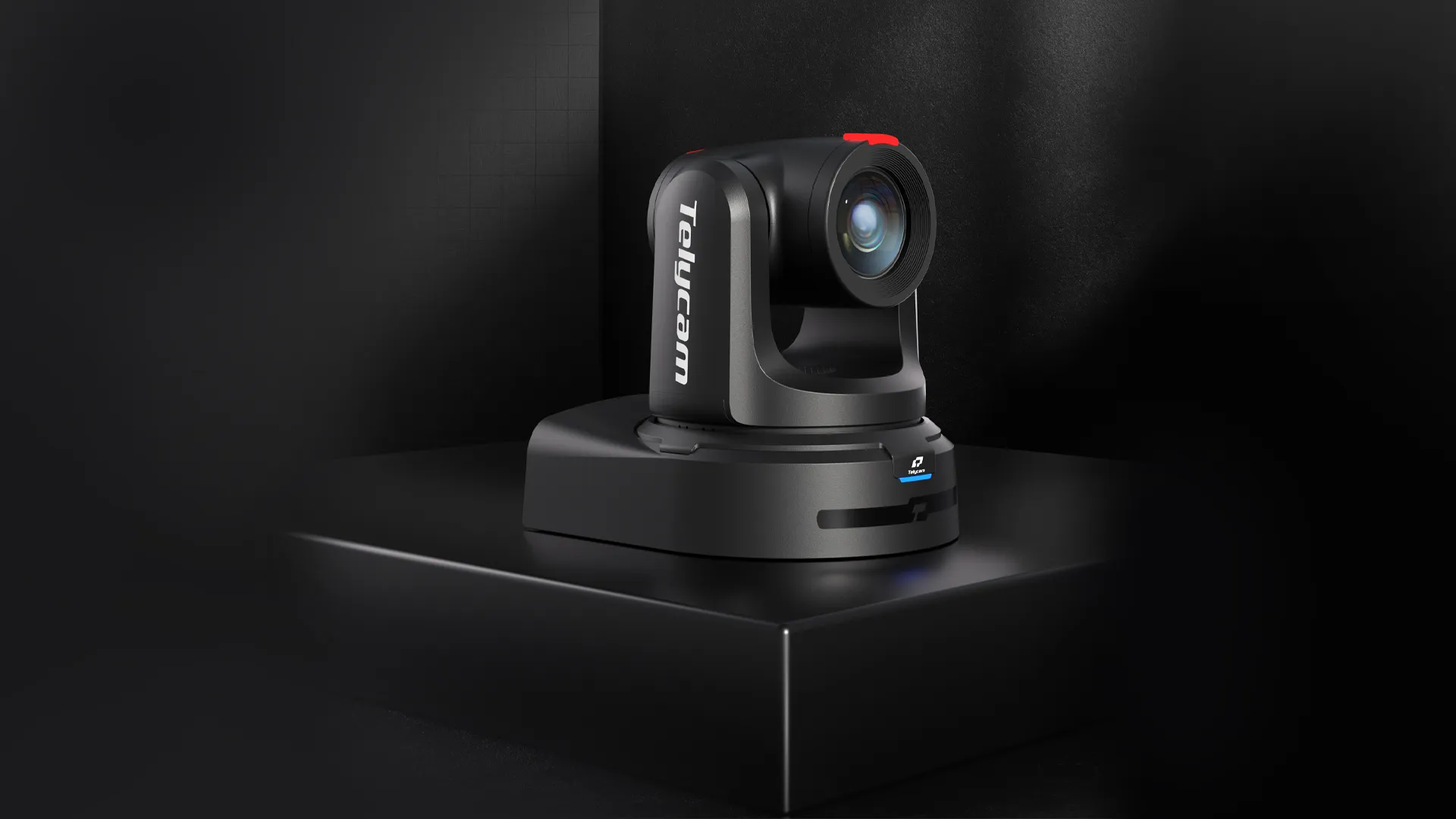
NDI® PTZ Camera

What is NDI® PTZ Camera?

For decades, professional video production relied on dedicated SDI infrastructure—separate cables for video, control, and other signals. While reliable, these systems become increasingly complex and expensive as productions scale.

Today, many broadcasters, educational institutions, houses of worship, and corporate studios are adopting NDI® (Network Device Interface) workflows instead. By transmitting video, audio, control, tally, and even power over a standard Ethernet network, NDI simplifies deployment while providing greater flexibility for multi-camera productions.

At the center of this transition is the NDI PTZ camera. Combining remote pan, tilt, zoom control with IP-based video transport, NDI PTZ cameras enable professional-quality production with fewer cables, simpler installation, and more scalable workflows. In this guide, we'll explore what an NDI PTZ camera is, how it works, and why it has become a key component in modern video production.

What Does NDI® Stand For? (And Why It Matters)

NDI® (Network Device Interface) is an IP-based video networking protocol that allows video, audio, control signals, and metadata to be transmitted across a standard Ethernet network in real time. Developed by NewTek, NDI enables cameras, production switchers, streaming software, and other devices to communicate with each other over the same network infrastructure already used for data and internet connectivity.

In practical terms, NDI transforms a standard local area network into a flexible video production system. Instead of relying on dedicated video cabling for every signal path, devices can discover, share, and receive video streams across the network with minimal configuration.

From Dedicated Cabling to Network-Based Production

To understand why NDI has become so widely adopted, it helps to look at the limitations of traditional video connections.

• For decades, professional video production relied heavily on SDI (Serial Digital Interface). SDI delivers excellent image quality and reliability, making it a trusted standard in broadcast environments. However, SDI is fundamentally a point-to-point technology: each camera requires its own cable run, and every additional source, monitor, or switcher input adds more infrastructure.

• HDMI simplified video connectivity for consumer and prosumer equipment, but it was never designed for large-scale production workflows. Cable lengths are limited, device management is difficult, and scaling a multi-camera system quickly becomes cumbersome.

• USB cameras offer convenience for simple setups, but bandwidth limitations and short cable distances make them difficult to integrate into more complex production environments.

As productions grow, these limitations translate into more cables, more hardware, and more complexity.

← Scroll to compare →

NDI® SDI HDMI USB
Latency <50 ms 80–200 ms (HX) <1 ms near zero 1–8 ms display dependent 30–100 ms driver dependent
Bandwidth ~250 Mbps 12–150 Mbps (HX) 270 Mbps–12 Gbps uncompressed Up to 48 Gbps HDMI 2.1 Up to 10 Gbps USB 3.2, shared
Max Cable Run Unlimited via network switch ~100 m coaxial cable ~10–15 m without booster ~5 m without hub
Infrastructure Cost Low uses existing Ethernet High dedicated cable per run Low limited scalability Very Low plug and play
Scalability High unlimited IP devices Low fixed point-to-point Very Low 1 device per port Very Low host-limited
Software Integration Native OBS, vMix, Zoom, Teams Via capture card hardware required Via capture card hardware required Native basic, single device
Best For Multi-camera live production, scalable studios Tier-1 broadcast, fixed studio Monitors, small setups, presentations Solo streaming, video calls

* NDI® bandwidth varies by version: NDI High Bandwidth ~250 Mbps · HX3 ~80 Mbps · HX2 as low as 12 Mbps

What Makes NDI Different?

NDI approaches video transport from a fundamentally different perspective. Instead of treating video as a dedicated signal that must travel through a specific cable, NDI treats video as network data.

If SDI is a dedicated railway track connecting two stations, NDI is a modern road network where multiple devices can send and receive video whenever they need it. Once an NDI-enabled device joins the network, it becomes discoverable by other NDI-compatible hardware and software automatically. A single camera feed can be viewed by a production switcher, monitored by an operator, recorded by a workstation, and streamed to an encoder simultaneously — all without additional video routing hardware.

This network-based architecture is what makes NDI so powerful for modern video production. By leveraging standard Ethernet infrastructure, production teams can deploy and scale multi-camera workflows more quickly and cost-effectively than traditional SDI or HDMI systems. Video, audio, PTZ control, tally signals, and even PoE power can often travel through a single cable, reducing complexity while increasing flexibility.

Rather than functioning as a better cable, NDI changes the way video moves through a production environment. It replaces fixed, hardware-dependent signal paths with a software-driven network architecture, making professional video production more scalable, accessible, and efficient than ever before.

What Is an NDI® PTZ Camera?

An NDI® PTZ camera combines motorized Pan-Tilt-Zoom control with the NDI® (Network Device Interface) protocol, enabling operators to remotely reposition, zoom, and monitor the camera while transmitting video, audio, and metadata over a single Ethernet cable.

In simple terms, it’s a camera you can control without anyone standing behind it, and its feed travels across your existing network rather than through dedicated broadcast cabling.

Pan

Horizontal rotation to follow a speaker, performer, or switch between subjects.

Tilt

Vertical movement to frame presenters or action from different heights.

Zoom

Adjusts focal length for close-ups without moving the camera physically.

All three axes are motorized and can be controlled via joystick, software interface, or automated presets. With NDI®, multiple cameras can operate on the same network, discoverable by any compatible software instantly — no capture cards or signal converters required.

How Does an NDI® PTZ Camera Work?

Physical Connection — One Cable Does It All

A single Cat5e or Cat6 cable connects the camera to a standard Gigabit Ethernet switch. If the switch supports PoE (Power over Ethernet), the cable also powers the camera. For wireless setups, NDI® HX cameras can operate over Wi-Fi, though wired connections are recommended for full-quality streams.

Signal Transmission — Video as Network Data

Once powered, the camera announces itself on the network. Any NDI®-enabled device can see the feed immediately — no static IPs or manual setup. The signal carries video, audio, metadata, tally, and camera control in a single stream, with NDI® High Bandwidth running at ~250 Mbps and latency under 50 ms.

Software Integration — What You Can Connect It To

One of the biggest advantages of NDI® PTZ cameras is their compatibility with a wide range of production, collaboration, and streaming platforms. Because NDI® has become one of the most widely adopted IP video standards in the industry, a single camera feed can be used simultaneously by multiple applications across the network.

Popular NDI®-compatible platforms include

OBS Studio

Open-source streaming & recording

vMix

Professional live production & switching

Wirecast

Broadcast-grade streaming software

TriCaster

Hardware/software production

Zoom

Video conferencing with NDI output

Microsoft Teams

Corporate collaboration with broadcast feeds

Skype

Remote interviews & live integration

XSplit

Live streaming & recording platform

This broad ecosystem allows NDI® PTZ cameras to move beyond traditional broadcasting environments and integrate seamlessly into live streaming, corporate communications, education, houses of worship, hybrid events, and remote production workflows.

NDI® Protocol Versions Compared —
Which One Do You Need?

NDI® is not a single standard. NewTek has released four protocol versions, each balancing bandwidth, latency, and image quality differently. Choosing the wrong version for your network is a common reason NDI® deployments underperform.

The key question is simple: what can your network actually handle?

← Scroll to compare →

Version Bandwidth Latency Codec Image Quality Best For
NDI® High Bandwidth ~250 Mbps per stream <50 ms real-time Near-lossless wavelet-based ★★★★★ High-quality multi-camera local production requiring low latency and full image fidelity; dedicated wired Gigabit studios
NDI® HX 100–150 Mbps per stream 80–200 ms encoder dependent H.264 / HEVC ★★★★☆ Remote live streaming and education scenarios where network bandwidth is limited or unstable
NDI® HX2 ~12 Mbps per stream Moderate codec dependent H.264 / HEVC high compression ★★★☆☆ Wi-Fi connections, severely low-bandwidth networks, remote monitoring, and industrial surveillance applications
NDI® HX3 ~80 Mbps per stream <100 ms near real-time Near-lossless modern codec ★★★★★ Remote productions and small studios seeking the best balance of image quality and network efficiency

* NDI® High Bandwidth is the current official term replacing the legacy name "Full NDI®", per NDI® brand guidelines.

For any new NDI® PTZ camera purchase, NDI® HX3 is the recommended default if your environment involves mixed or uncertain network conditions. NDI® High Bandwidth remains the benchmark for fixed wired studios where dedicated Gigabit bandwidth is guaranteed.

Key Features of NDI® PTZ Cameras

While specifications vary by model, most professional NDI® PTZ cameras share a common set of features that make them well-suited for live production, broadcasting, education, and corporate AV environments.

4K Video and Professional Image Quality

Most modern NDI® PTZ cameras support up to 4K60 video, combining high-resolution image sensors with advanced image processing for sharp, low-noise performance across a wide range of lighting conditions.

Power, Video, & Control Through One Cable

Thanks to Power over Ethernet (PoE), a single network cable can often carry power, video, audio, PTZ control, and tally signals simultaneously, significantly simplifying installation and cable management.

Optical Zoom and Flexible Framing

With optical zoom ranges typically between 12x and 30x, a single PTZ camera can capture both wide room coverage and tight close-up shots without changing its physical position.

Multiple Output Options

Many professional models support NDI®, HDMI, SDI, and USB outputs at the same time, making it easy to integrate with both modern IP workflows and legacy production systems.

Preset Recall and Remote Operation

Motorized pan, tilt, and zoom functions allow operators to save and instantly recall camera positions, enabling efficient multi-camera coverage with minimal staffing.

Professional Audio Integration

Built-in audio inputs allow microphones and external audio sources to be embedded directly into the video stream, simplifying synchronization and workflow management.

Tally and Production Workflow Support

Integrated tally indicators help presenters identify which camera is live, improving communication and professionalism in multi-camera productions.

Web-Based Management

Most NDI® PTZ cameras include a browser-based WebUI for remote setup, monitoring, and configuration from anywhere on the network.

Together, these features allow NDI® PTZ cameras to function as complete production endpoints rather than simply video capture devices — reducing infrastructure complexity while increasing deployment flexibility.

NDI® PTZ Camera Use Cases —
Who Should Use It?
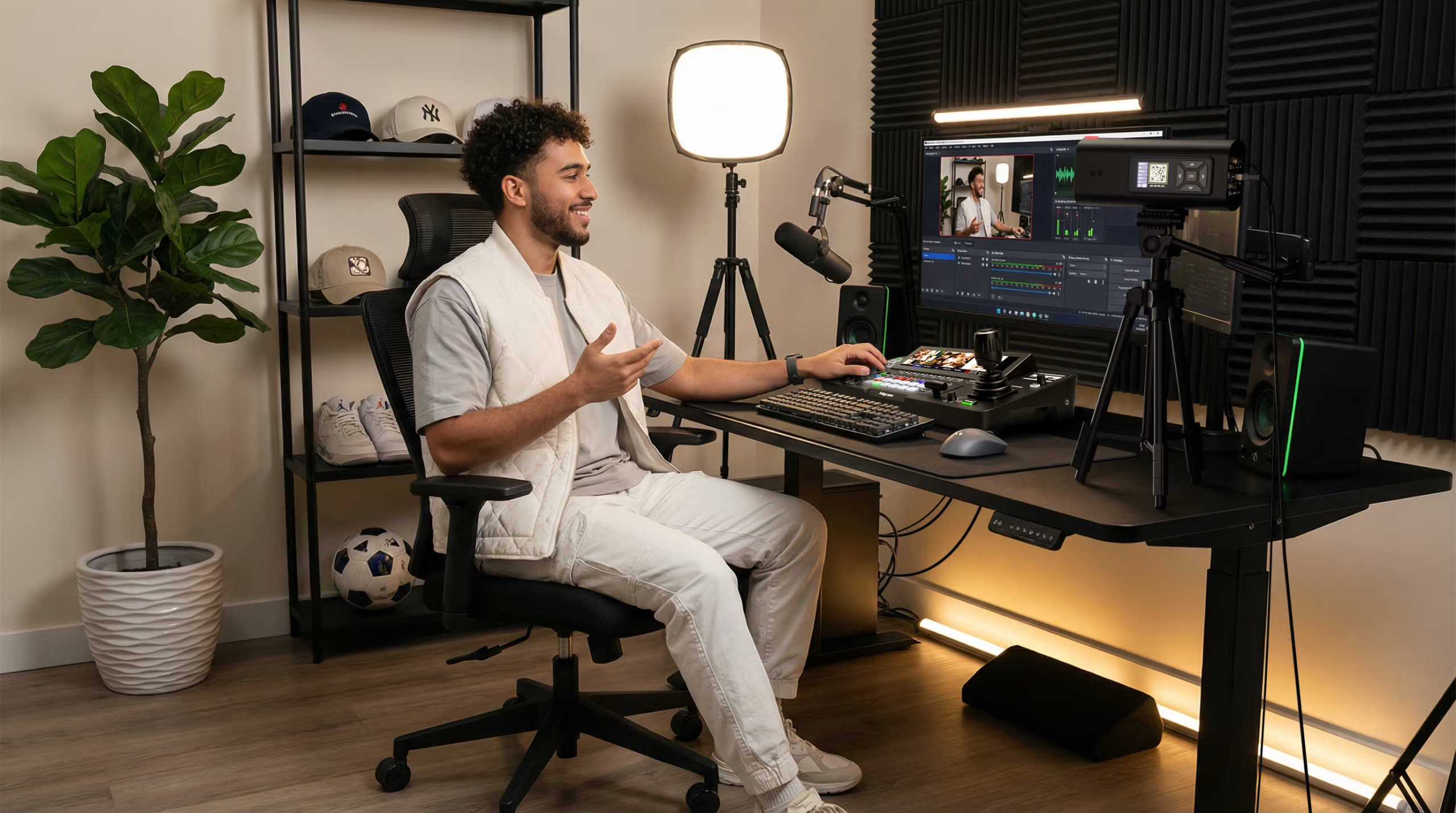
Live Streamers & Small Productions

Podcasts & Small Productions

Solo creators and small teams often lack the budget for a dedicated production crew. NDI® PTZ cameras solve this by enabling full pan-tilt-zoom control and preset recalls directly from WebUI. By pairing these cameras with the Telycam Mix One video switcher, a single operator can physically switch wireless or wired angles, adjust camera movements via joystick, and stream directly to YouTube or Facebook—all from one compact, standalone station.
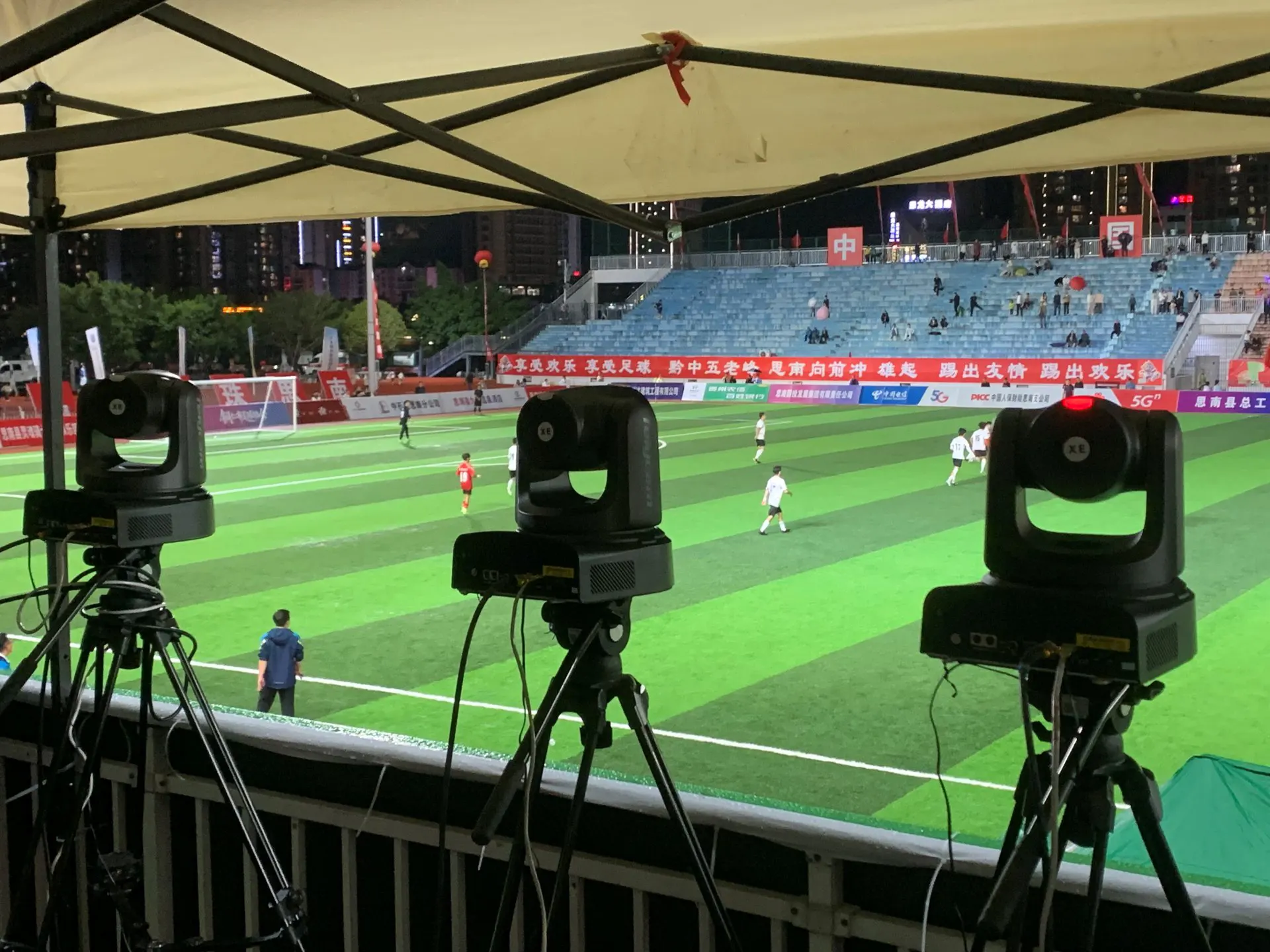
Sports & Live Events

Live sports demand flexible camera placement and ultra-low latency for capturing fast action. NDI® PTZ cameras utilize PoE+ to draw power, video, and control over a single network cable, allowing for easy installation in high, hard-to-reach vantage points. For major venues, the Telycam Explore Series delivers the exceptional imaging performance and high frame rates needed to distribute flawless, simultaneous feeds for live switching, instant replay, and field monitoring.
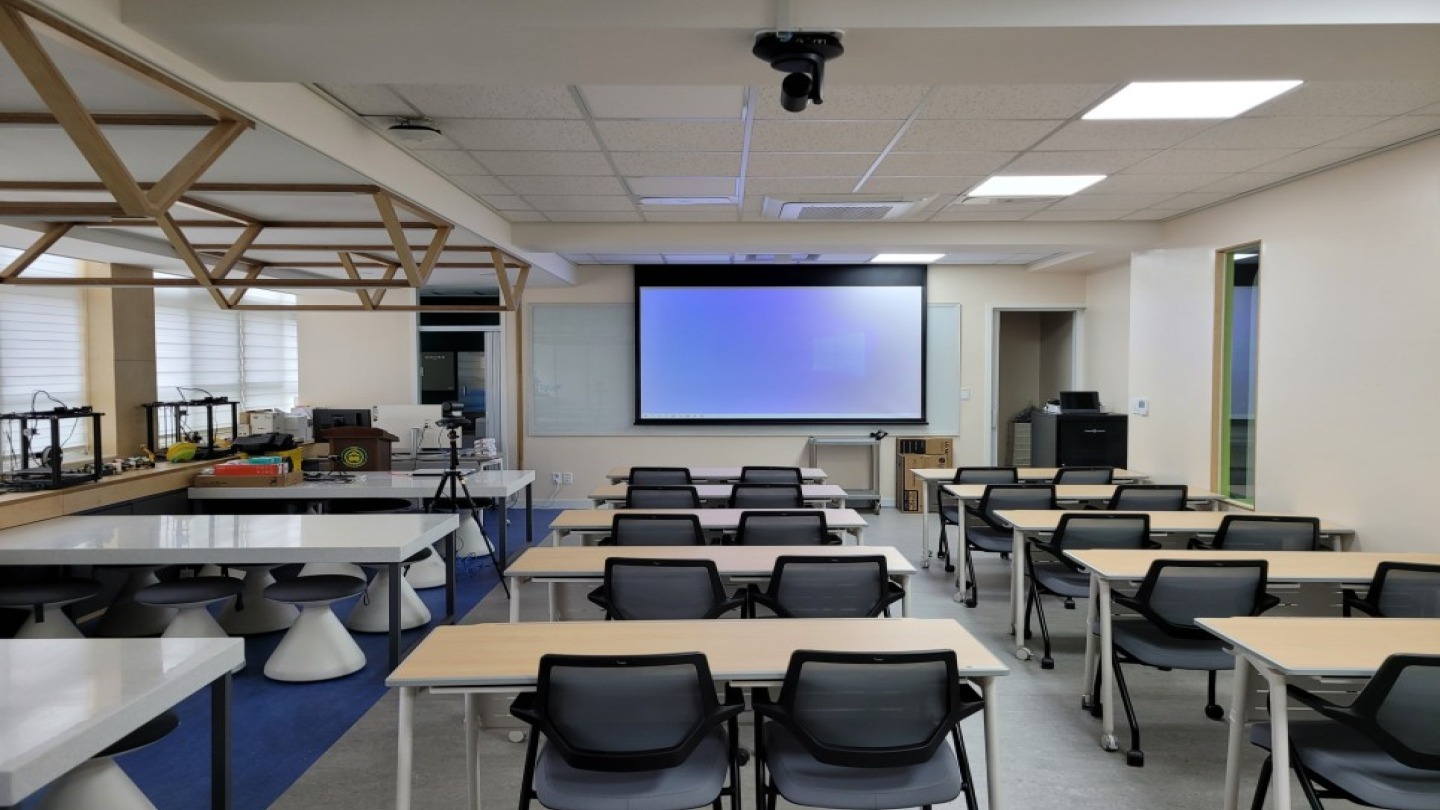
Telycam classroom cameras, camera for classroom

Education & Hybrid Classrooms

Modern hybrid classrooms require reliable multi-camera setups that don’t distract the instructor. Telycam's advanced AI Auto-tracking PTZ automatically follows the teacher across the stage with smooth, natural framing—no operator required. By leveraging NDI® Virtual Input, the broadcast-quality 4K feed integrates directly into Zoom or Teams as a standard webcam. It’s a one-cable solution that delivers elite remote learning while giving IT departments one less thing to manage.
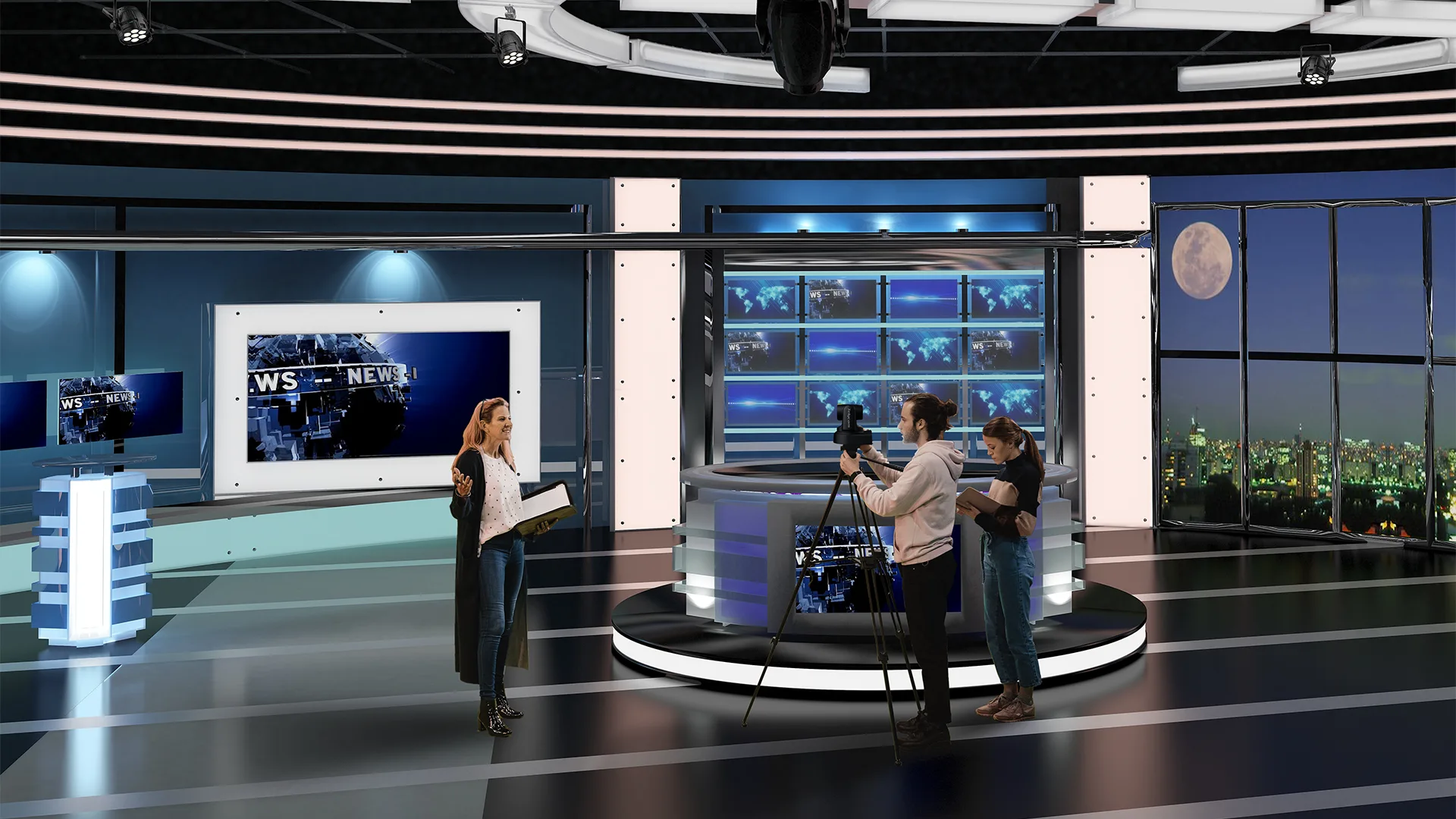
Broadcast & Professional Production

For high-end studios, NDI® High Bandwidth matches traditional SDI image quality by utilizing visually lossless, intra-frame compression while completely eliminating fixed coaxial infrastructure. Cameras can be redeployed across different studio floors instantly by moving a single network cable—no messy re-routing or patch bays required. The Telycam Explore Series is purpose-built for these workflows, featuring broadcast-grade hardware I/O and native NDI® integration for modern, IP-based production environments.
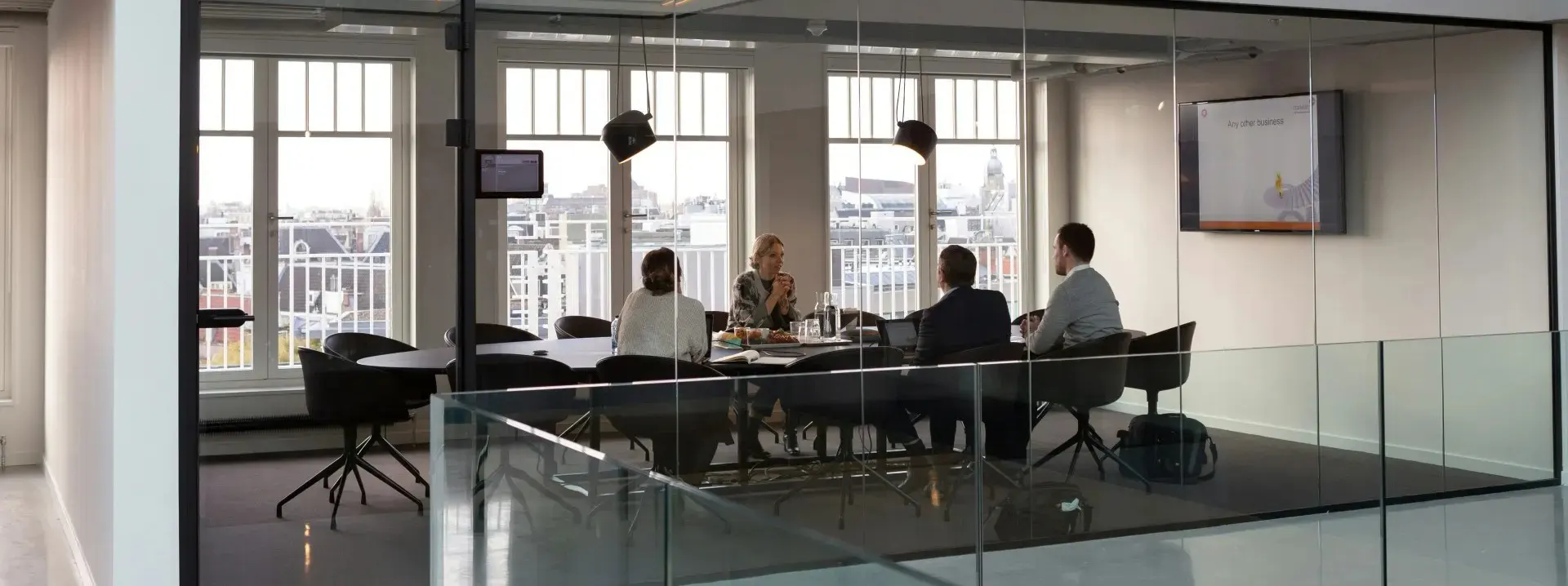
Telycam + Crestron ,Professional PTZ Cameras, Fully Integrated into Your Space

Corporate Events & Hybrid Meetings

For large-scale town halls, product launches, and hybrid conferences, managing multi-camera setups typically requires extensive SDI recabling and a full production crew. NDI® PTZ cameras simplify enterprise AV by transmitting pristine 4K video, audio, and control over the company’s existing local network (LAN). Working alongside the Telycam Vision Series, a single IT or AV administrator can effortlessly manage multi-angle routing and high-impact streaming to global remote teams.
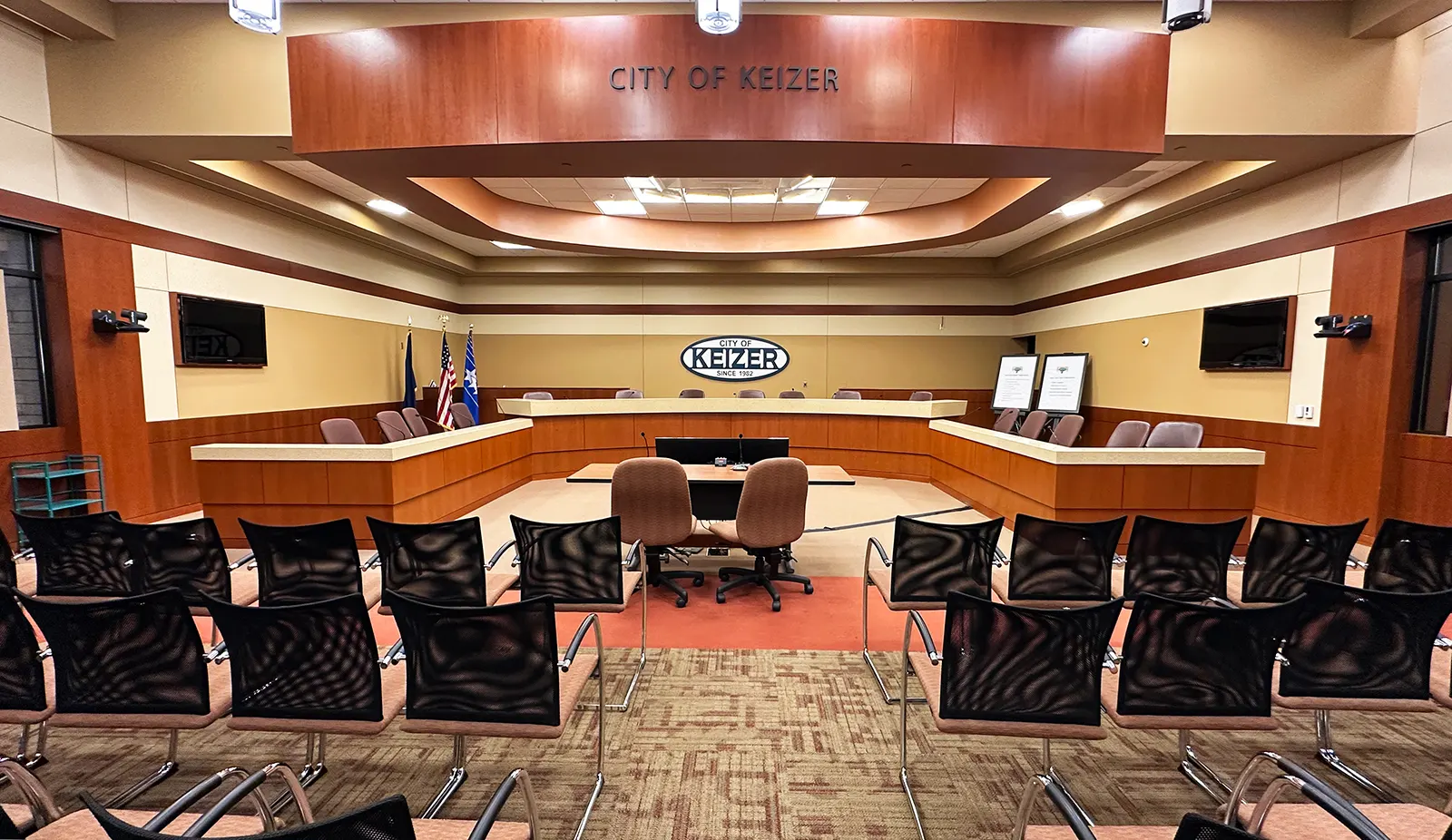
Government & Legal

Formal legal proceedings and council meetings require discreet, reliable, and automated video capture. NDI® PTZ cameras support completely unattended operation, utilizing automated preset sequences—such as switching between the speaker, a wide chamber shot, and the witness—at the touch of a button. With integrated Tally lights and a single-cable PoE footprint, these cameras blend seamlessly into courtroom environments while maintaining absolute technical precision.

Embrace the Future of IP Video Production

The shift from traditional hardware-locked infrastructure to flexible, IP-based workflows is no longer a future trend—it is the current reality of professional video production. Whether you are a solo content creator looking to streamline your studio, an IT manager deploying hybrid corporate workspaces, or a broadcast engineer migrating to a full IP-based facility, NDI® technology eliminates technical bottlenecks so you can focus entirely on delivering high-impact content.

At Telycam, we don't just manufacture premium hardware; we build comprehensive, ecosystem-driven video solutions. From the studio-grade Explore Series to the professional-level Vision Series and the all-in-one Mix One video switcher, our lineup is designed to scale seamlessly with your creative ambitions.

Take the next step. Explore the full Telycam Product Catalog or contact Telycam to find the perfect camera configuration for your next big event.

Contact Telycam

Sales Inquiries

sales@telycam.com

Call Us

+86-755-33275155

Contact Telycam

Let us know how to reach you, and we'll get in touch!