
Explore XE PTZ Cameras Keep Every Punch in Frame
at China's National Youth Boxing Championship
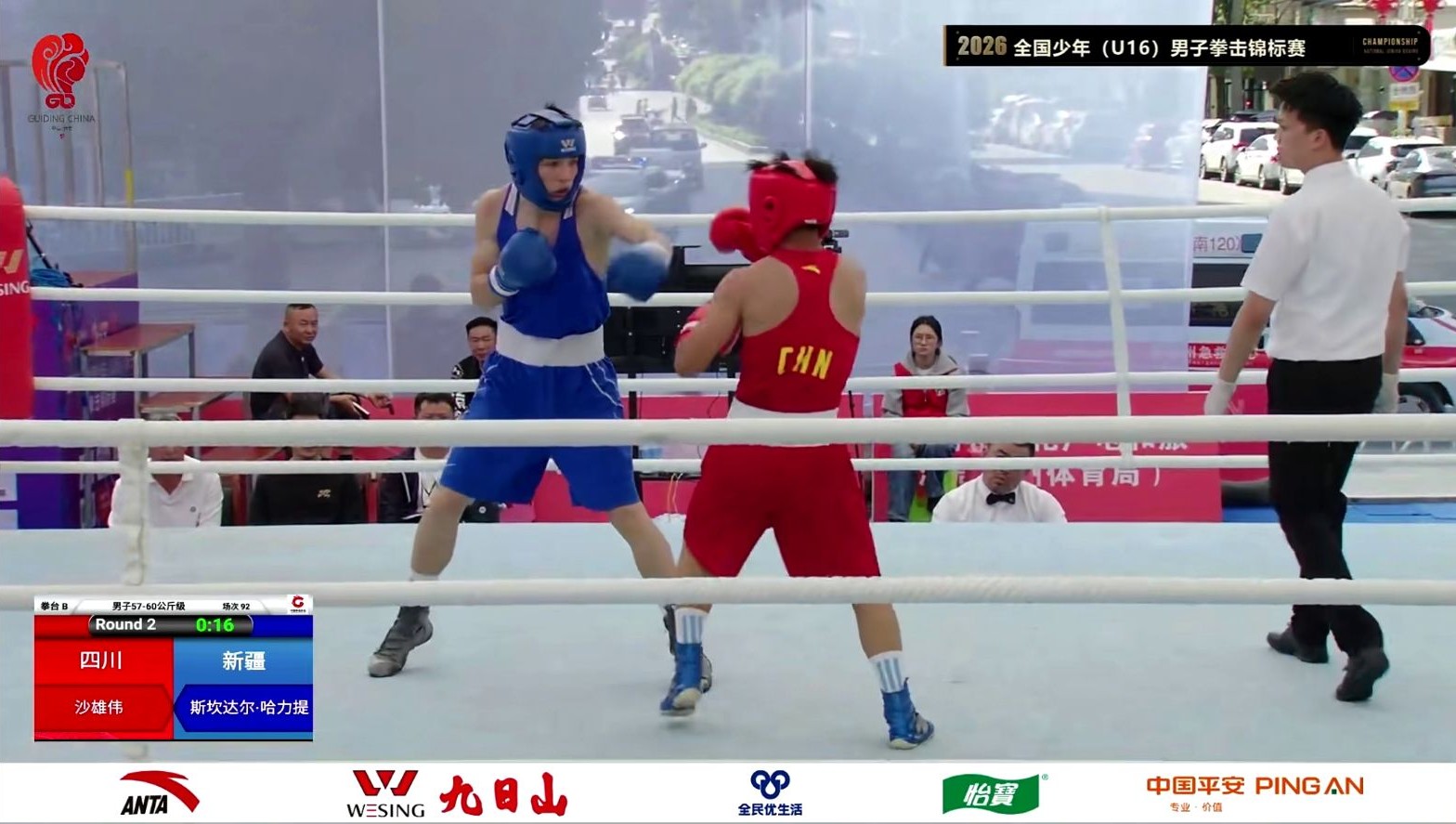
Organized by the General Administration of Sport of China and the Chinese Boxing Association, the championship is the highest-level competitive platform for junior boxers in the country, drawing elite athletes from provinces and cities nationwide. The event was simultaneously live-streamed on the association's official WeChat account, bringing the action to audiences across China who couldn't be there in person.
Those who were there in person made their presence felt. On the competition floor, bouts ran across multiple weight classes throughout the day, from 46–48kg all the way up to over 80kg, with 1/16 finals keeping the pace relentless from morning through evening.
For the technical team responsible for capturing and delivering all of it live, the scale of the occasion was impossible to ignore: a national-level event, watched by hundreds of thousands, demanded broadcast quality with no room for error.
The Challenge: Full Coverage, Minimal Crew
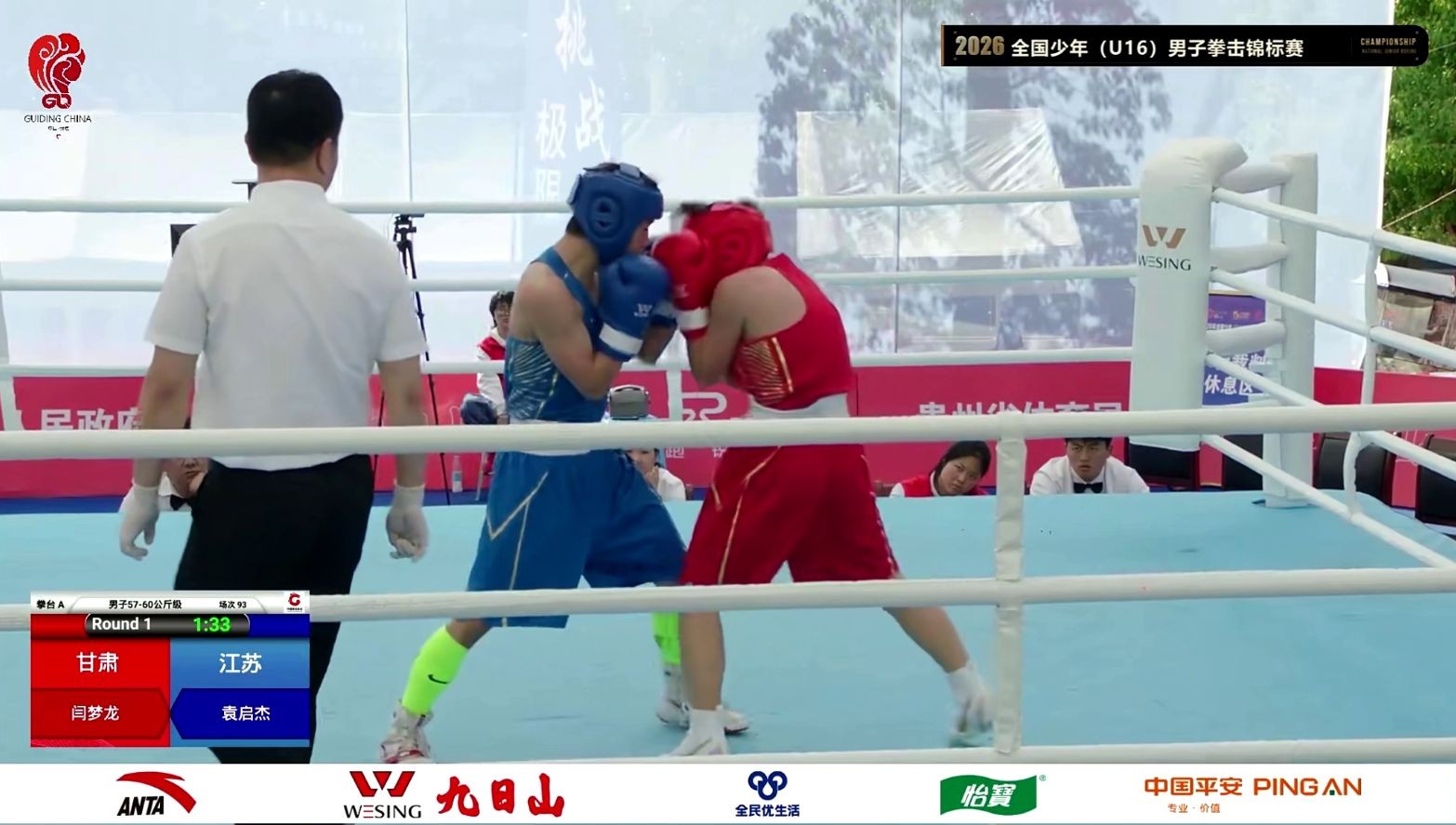
Boxing is a demanding sport to shoot well. The action is fast, the scoring moments are brief and the ring itself needs to be captured from multiple angles simultaneously - ringside close-ups, wide establishing shots, and corner angles that let viewers and judges track positioning throughout each round.
Limited Staffing
The ideal scenario was a setup where a single operator could manage all camera angles from a central position.
Complex Infrastructure
The venue was not a dedicated facility. Rigging points were constrained and setup windows were extremely tight.
The venue in Guiyang County, however, was not a dedicated broadcast facility. Space was limited, rigging points were constrained, and the technical crew available for setup and live operation was small At the same time, the production requirements were anything but modest the live stream needed to run flawlessly for the entire duration of the championship, with high-definition picture quality that held up for 300,000 concurrent viewers across the online platforms.
The pre-event setup window was tight. The team couldn't afford to spend hours running cables, trouble shooting complex control configurations, or training staff on unfamiliar workflows. They needed a system that could be deployed quickly, operated simply, and trusted completely once the competition began.
The third challenge was perhaps the most telling: staffing. With a limited technical crew, the ideal scenario was a setup where a single operator could manage all camera angles from a central control position - not just switching between feeds, but actively controlling pan, tilt, and zoom on every camera without leaving the production room.
The Solution: Two Cameras, Full Coverage
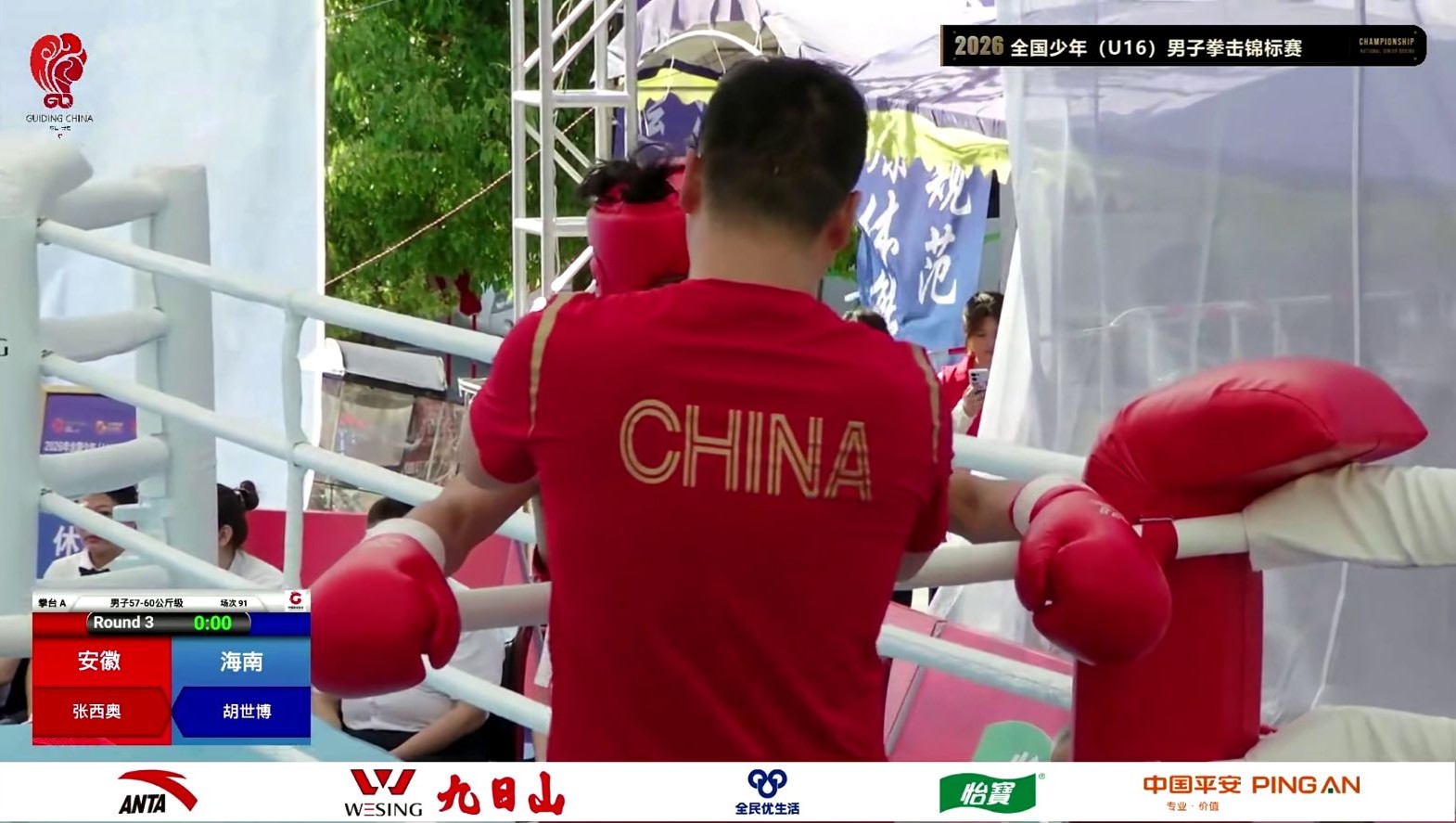
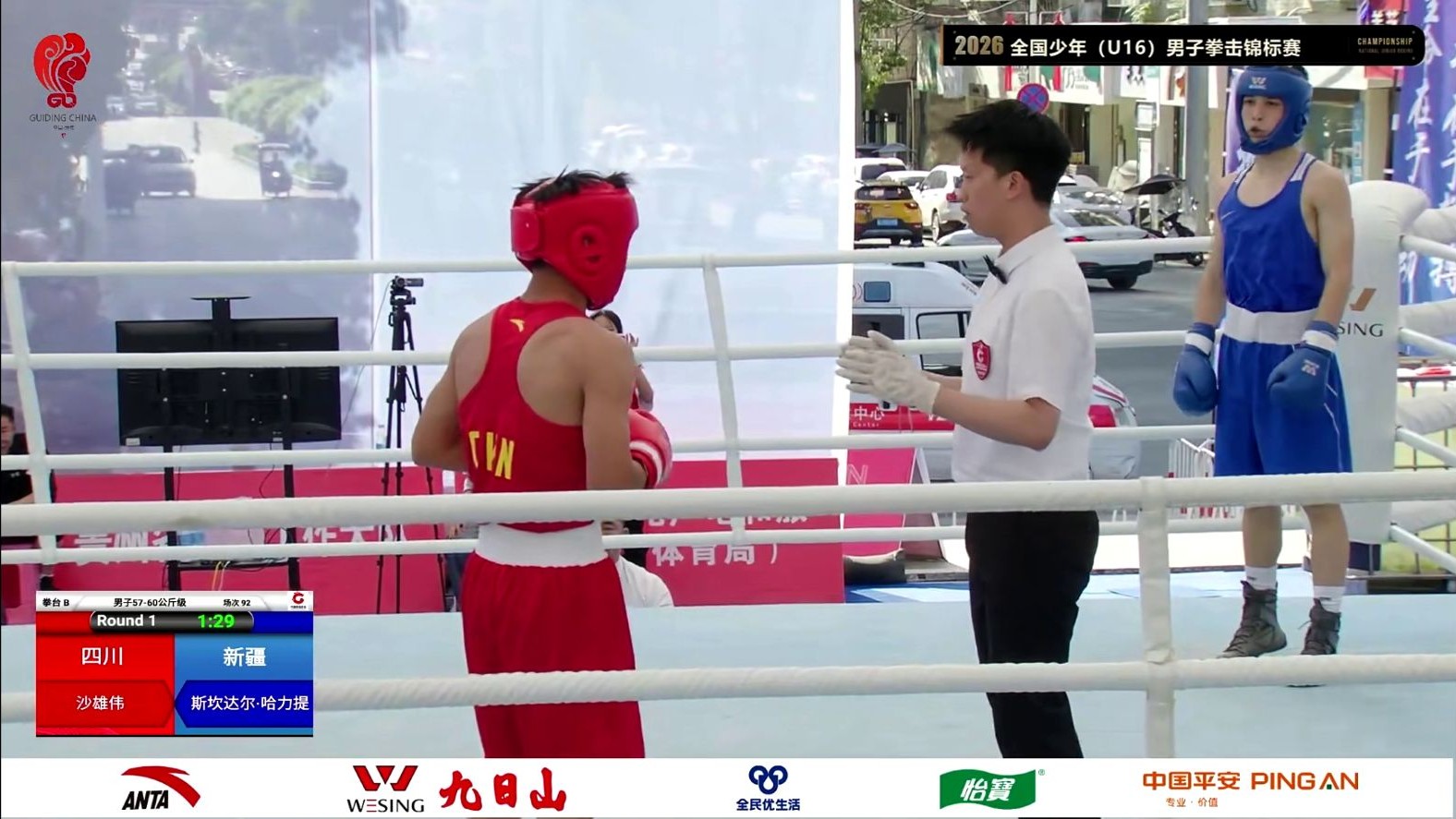
The Results: No Interruptions, No Missed Moments
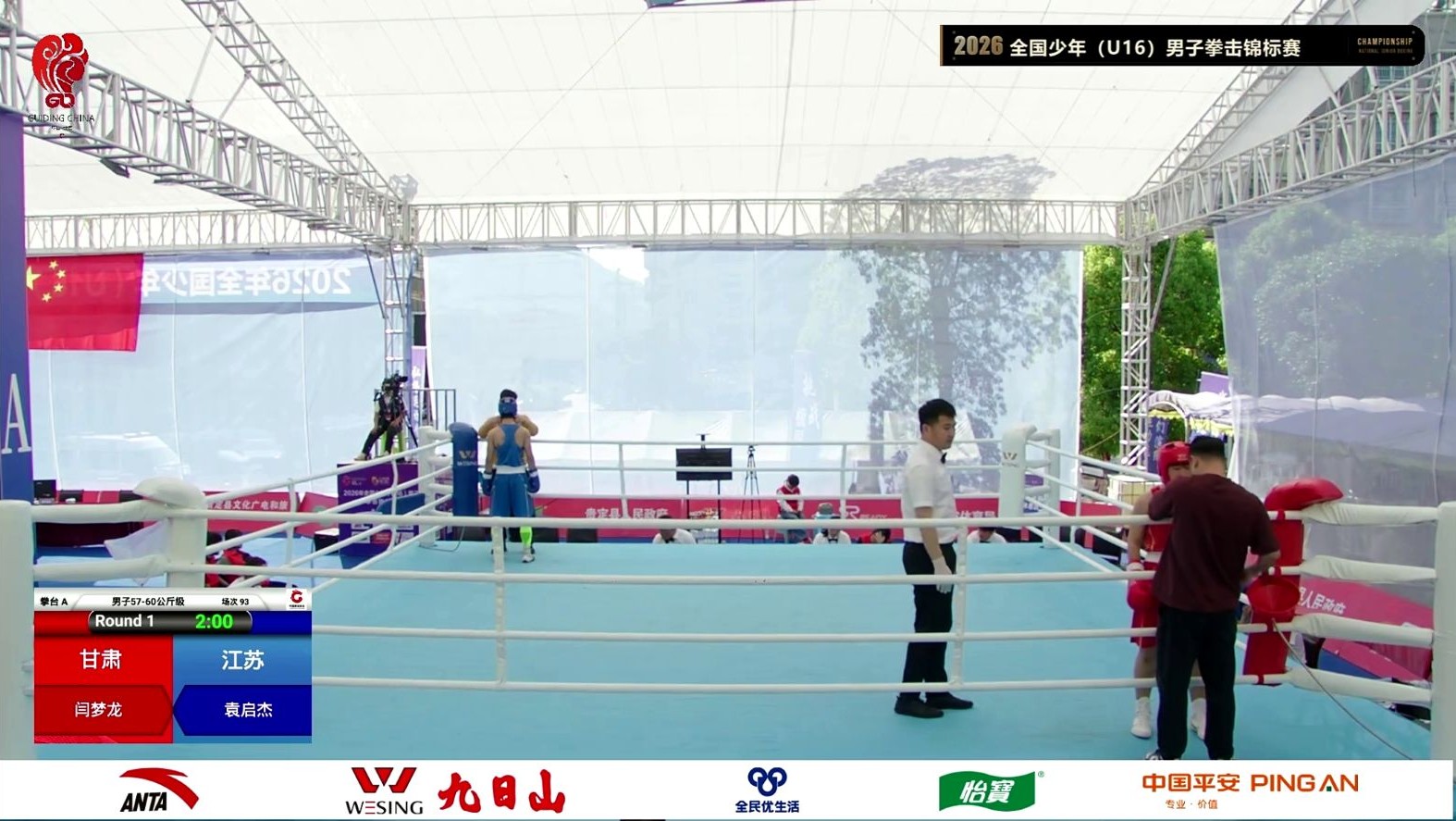
The online broadcast ran without a single interruption from the opening bout through the final. Accumulated viewership exceeded 300,000, with picture quality holding steady throughout — no signal drops, no compression artifacts, no latency spikes during critical scoring moments.
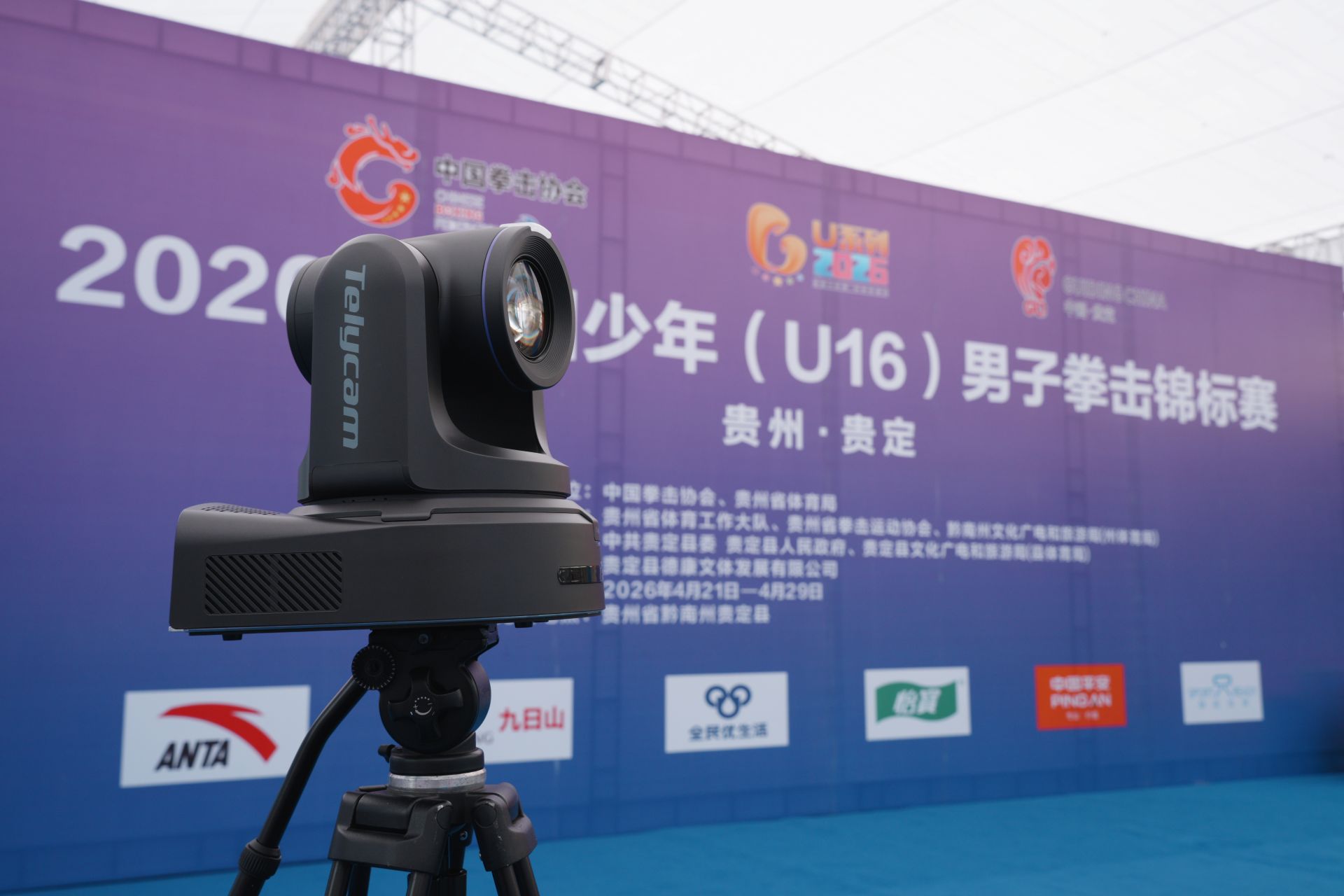
From a coverage standpoint, the two-camera setup proved more than sufficient. Every significant exchange and every judges' scoring moment was captured cleanly, with the combination of wide and close-up angles giving the production team the flexibility to tell the story of each bout without gaps.
Operationally, the single-operator workflow delivered exactly what the team needed. One technician managed all camera movements and switching from the control room for the entire event, eliminating the need for on-site camera personnel and keeping the technical footprint as lean as the venue required. Deployment was completed well within the pre-event window, and the system ran without issue from start to finish.
"Honestly, I wasn't sure two cameras would be enough for an event at this scale. But between the wide shot and the ringside angle, we had everything we needed — one operator, two cameras, 300,000 viewers, and we never missed a moment.”
— Technical Operations Lead, Liu Wei
A Proven Configuration for Live Sports
The Guiyang deployment illustrates something worth noting for any broadcaster working live sports with a lean crew: the challenge is rarely picture quality alone. It's picture quality combined with operational simplicity, fast deployment, and the ability to sustain performance under pressure — without a large technical team standing by to compensate for failures.
Two Explore XE cameras, a single network cable each, and one operator in the control room delivered a national-level broadcast to 300,000 viewers without missing a moment. A good example of what can be achieved with a small team.